Chinese Ambassador Expresses Regret Over Taiwan Pavilion Designation
Chinese Ambassador Dai Bing visited Gwangju and was reported to have expressed regret over the approval of the Taiwan Pavilion designation.
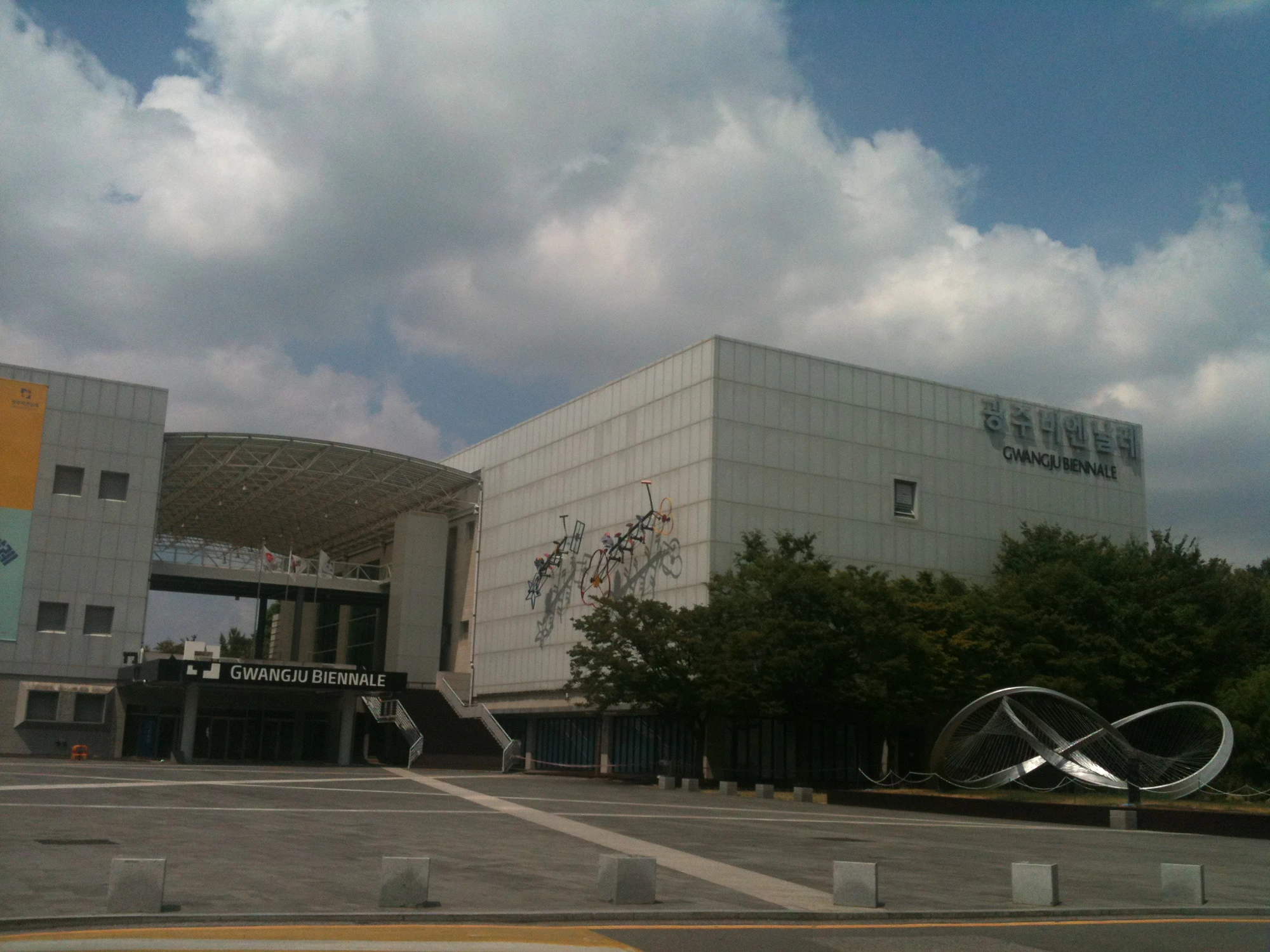
Tracking the dispute over whether the National Taiwan Museum of Fine Arts could exhibit under the name 'Taiwan Pavilion' at the 16th Gwangju Biennale, from accusations of censorship and the foundation's response to approval of the name, Chinese objections and withdrawal, South Korea's diplomatic position and subsequent pavilion-system reforms.
9 events · 7 sources · Updated 16 days ago
Chinese Ambassador Dai Bing visited Gwangju and was reported to have expressed regret over the approval of the Taiwan Pavilion designation.
The local government apologized for insufficient communication surrounding the pavilion dispute and reaffirmed its respect for South Korea's existing One-China policy.
The Chinese pavilion team announced its withdrawal in protest over the Taiwan Pavilion designation, arguing that political elements had entered the artistic sphere. Installation had already been halted, and the Gwangju Biennale Foundation had issued an apology the previous day.
The Foreign Ministry said the Taiwan Pavilion designation was an independent decision in the private cultural and arts sphere and did not alter South Korea's basic position regarding Taiwan.
Following the naming dispute and Chinese withdrawal, Gwangju Biennale representative Youn Bum-mo said the system separating national and institutional pavilions would be fundamentally reformed.